Why Practical Effects Still Beat CGI in Tokusatsu
Practical effects give tokusatsu physical contact, light, debris and texture. This guide explains when that wins and when CGI helps.
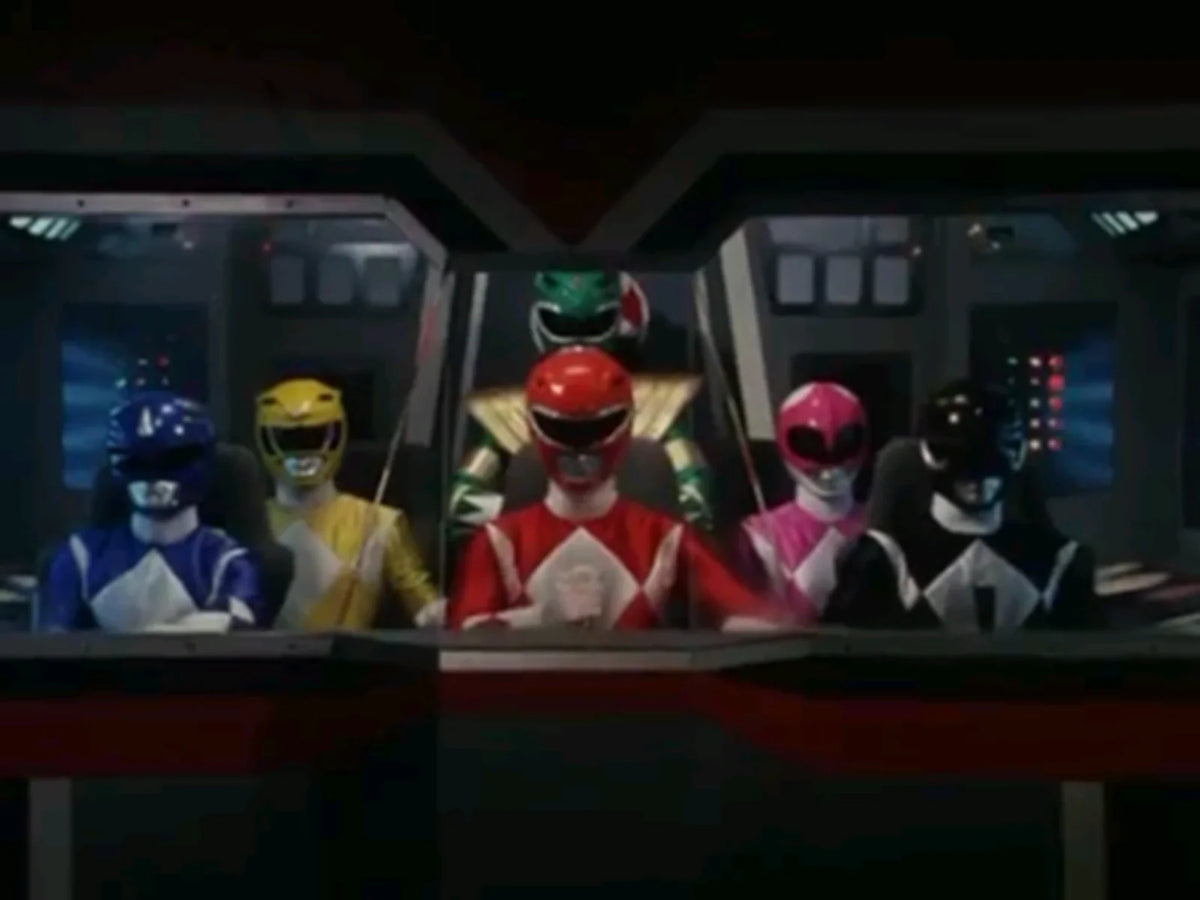
Practical effects still beat CGI in tokusatsu when a scene depends on touch, weight and the visible interaction between a performer and a built environment. That is an editorial judgement, not a measurable fact: digital effects can create shots that suits and miniatures cannot, and strong modern tokusatsu normally combines both.
The better question is not which tool wins every time. It is why a physical suit, prop, miniature or burst of sparks can make a modest television shot feel unusually immediate.
A real object gives every department the same problem to solve
When a creature suit stands on a miniature street, the camera, lighting, performer and effects crew all respond to the same object. Light falls across its surface. Feet make contact with the ground. Dust catches around the legs. Reflections change as the figure turns. Those details arrive together because they happened together.
Computer-generated imagery can reproduce every one of those cues, but it must be designed and integrated. On a weekly schedule, a practical element often gives the shot a coherent starting point before digital work begins. The object is not automatically convincing; its physical presence simply supplies information for free.
Suit actors can perform contact rather than simulate it
A hero grabbing a monster, a kaiju leaning into a tower and two armoured fighters colliding all gain something from bodies meeting on set. The performers feel resistance and adjust balance in the moment. A strike can travel through the receiver's torso rather than ending at an invisible point in space.
This does not mean practical contact is uncontrolled. Choreography, camera angle, protective design and rehearsal create the illusion of force while managing risk. Sparks and small explosions are planned effects. Viewers should not copy them, and a dramatic shot is not evidence that performers were simply allowed to hit each other harder.
Miniature destruction has consequences that cannot be reset instantly
A breakaway building collapses according to material, gravity and the path of the impact. Pieces occlude one another. Dust rolls through gaps. The result contains small irregularities that make destruction feel specific rather than decorative.
That one-use quality also changes how a sequence is planned. The crew has to decide which camera positions matter before the model is damaged. The shot carries a sense of commitment because the action cannot always be repeated by clicking undo. It can still fail, and miniature work is not necessarily cheaper than digital work once labour and rebuilding are counted.
Pyrotechnics put light into the scene
The familiar shower of sparks in a Rider or Sentai fight does more than mark a hit. It briefly lights the suit, ground and surrounding air from the point of contact. Smoke remains in the space after the flash. A practical explosion behind a hero creates real backlight and gives the performer something precisely timed to react against.
Digital enhancement can extend the effect, remove safety equipment or add an impossible energy pattern. The physical flash still anchors the image. This layered method is one reason the practical-versus-CGI argument is often too blunt for the way productions actually work.
Visible craft is part of the tokusatsu appeal
Some screen effects aim to disappear. Tokusatsu can invite a second kind of attention: the viewer believes in the monster while also appreciating the model, suit and camera trick. The slight stylisation is not always a defect waiting for a larger budget.
A low camera moving past a miniature roof can make an Ultra hero feel enormous. A rubber texture can make a kaiju feel like a character made for this particular medium. Wires, smoke and optical beams create a graphic clarity that perfectly seamless realism might lose.
This preference is common among fans, but it remains taste. It is not a confirmed production rule that practical work is meant to look handmade, and different directors pursue different levels of realism.
CGI wins when the physical method would narrow the idea
Digital tools are better suited to some movements, environments and transformations. They can show a creature changing shape, extend a city beyond the built set, combine multiple plates, remove rigging and place the camera where a physical miniature stage cannot safely go.
They also help preserve suits. A design with fragile surfaces may be used for close shots while a digital version handles an impossible fall. An energy effect can be animated around a practical performer rather than forcing the actor to mime every part of the interaction.
Bad CGI is noticeable, but bad practical work is noticeable too. The relevant comparison is not the best miniature against the weakest digital shot. It is whether the chosen method communicates scale, action and emotion within the production's resources.
Modern tokusatsu is strongest when the tools share the frame
Tsuburaya Productions describes Eiji Tsuburaya's legacy as including miniature work, suitmation, matte painting, screen process and optical composition. That history was already hybrid long before contemporary CGI. New software continues the same habit of combining methods.
A current giant battle may begin with a suit performer on a built section of street. Digital work can extend the skyline, add aircraft, remove support equipment and complete a beam. Practical debris gives the foreground texture, while compositing gives the shot a scale no sound stage can contain.
The result is not less authentic because a computer was involved. Tokusatsu has always been about making the impossible photographable. The craft lies in choosing which part should exist in front of the lens and which part should be completed elsewhere.
How can you tell what makes a shot work?
Look for interaction rather than trying to label every pixel. Does light from an effect affect nearby surfaces? Does a foot disturb the ground? Does the camera position support the claimed scale? Does the performer react before, during and after impact?
Behind-the-scenes material can confirm a method, but visual guessing is unreliable. A shot that looks practical may contain extensive digital repair; a digital creature may be based on scans or reference footage from a physical suit.
Practical effects beat CGI when the physical event gives the scene a texture, constraint and performance it needs. CGI beats practical effects when freedom, safety or scale matters more. Tokusatsu endures because it can use both without pretending the tools are the story.
Related reading
What Makes a Kaiju a Kaiju? · Best Ultraman Series to Start With · What Is the Metal Hero Series?
Written by Kakebo · Published August 23, 2026.