Vintage Metal Hero Collecting: What to Look For
Chrome degrades, small parts go missing, and three different eras share the same character names. What to actually check before buying a vintage Metal Hero piece.
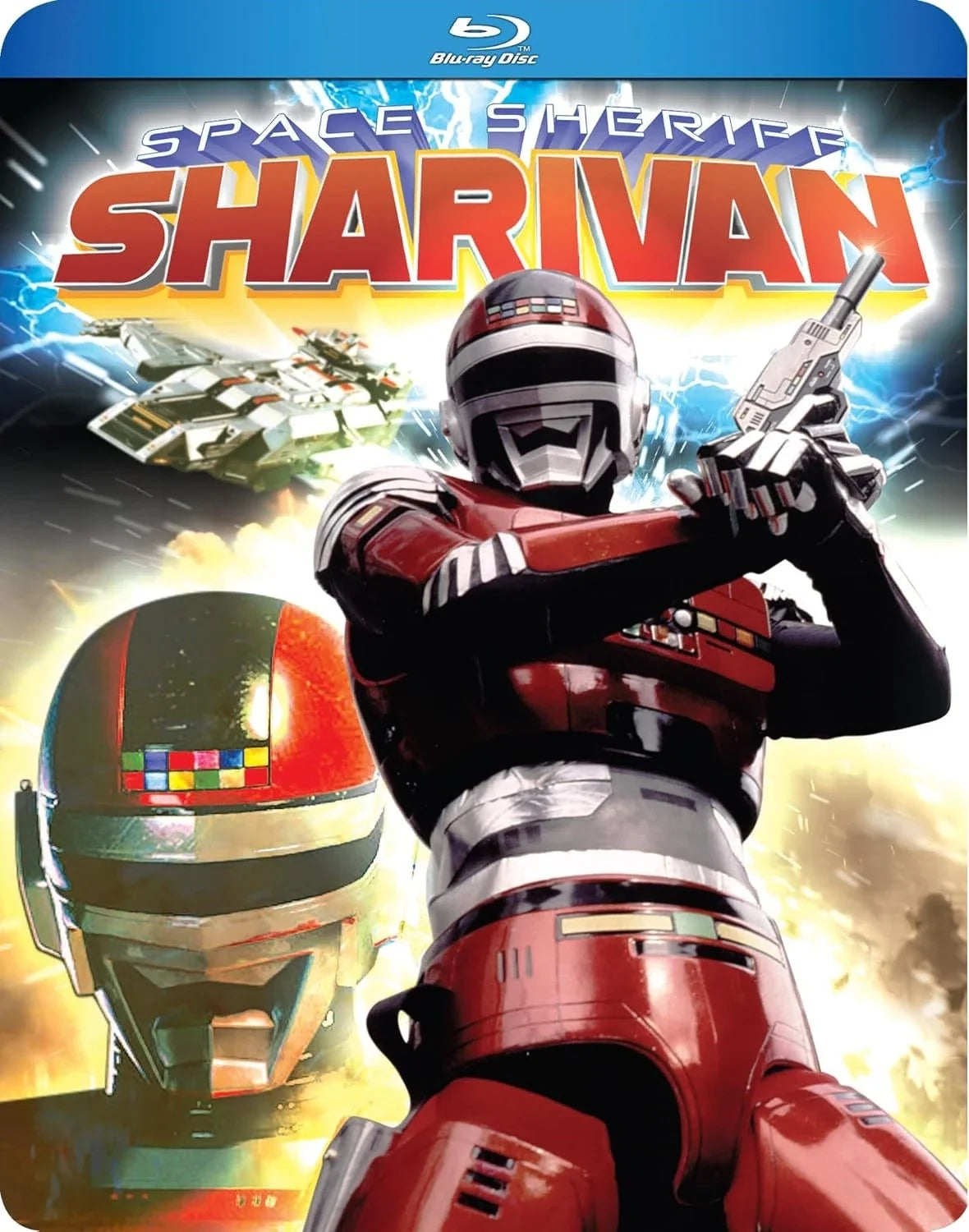
Vintage Metal Hero toys are among the most rewarding and most misjudged corners of tokusatsu collecting. The line ran from 1982 to 1999, produced chrome-heavy figures, die-cast vehicles and transforming robot partners, and then went twenty-five years without a current television series to prompt reissues. That gap is why prices behave oddly, why completeness matters more here than in most lines, and why a confident-looking listing is often wrong about what it is selling.
Why Metal Hero toys are different from Rider or Sentai toys
The format drives the toy. Metal Heroes are single armoured officers with equipment, not teams with a combining mecha. So the vintage line leans heavily on vehicles, deployable armour, launchers and robot partners rather than on a set of five figures you complete.
That has one direct consequence for buying: a Metal Hero item is usually a multi-part system, and the small parts are what go missing. Missiles, tools, opening doors, transformation panels, antenna and clip-on armour segments are routinely lost. A figure that looks complete in a thumbnail can be missing a third of what shipped in the box.
The four things to check before you buy
1. Chrome condition, under real light
The chrome and metallic finishes that define these suits are the first thing to degrade. Look for flaking at joints and edges, fingerprint etching, and dulling where the piece has been handled. Chrome shows wear far more readily than matte plastic, and it cannot be restored without refinishing the part.
Ask for photographs taken under ordinary room light rather than direct flash. Flash hides scratches on reflective surfaces, which is exactly why so many listing photos use it.
2. Die-cast weight and joint integrity
Many vintage Metal Hero pieces use die-cast metal in the torso or limbs. Die-cast is durable but heavy, and that weight stresses the plastic joints holding it. Check for sagging limbs, loose hips and stress whitening around joint sockets. On transforming pieces, ask whether the transformation still holds in both modes without support.
3. Accessory completeness, itemised
Do not accept "complete" as a description. Ask the seller to photograph the accessories laid out separately from the figure. For vehicles and robot partners specifically, confirm the small ordnance and tool parts individually. These are the parts that determine most of the price difference between two otherwise identical items.
4. Which era the item is actually from
This is the one that catches people out most often, and it is worth being blunt about.
Gavan, Sharivan and Shaider all have original-era versions from 1982–1985, successor-era versions from the 2012–2014 revival films and Next Generation productions, and now Project R.E.D. designs from the 2026 Gavan Infinity revival. These are different suits with different proportions and colour blocking, not variants of one design.
A listing titled "Space Sheriff Gavan figure" tells you nothing. The copyright line on the packaging, the manufacturer mark and the actual suit silhouette settle it. An English title added by a marketplace does not.
Reissues, Figuarts and where the modern line sits
Tamashii Nations released S.H.Figuarts Sharivan and Shaider in 2013, alongside a Gavan release tied to the revival film period. These are modern figures of classic designs — better articulation, modern paint, and no die-cast weight problem. They are not vintage, they were not produced in the 1980s, and they should not be priced as though they were.
For a lot of collectors the honest recommendation is to start with the modern Figuarts releases and treat vintage as a separate, later pursuit. You get the design on your shelf without inheriting thirty years of chrome degradation and missing missiles.
How the dormancy distorted prices
Kamen Rider and Super Sentai received steady anniversary reissues throughout the period Metal Heroes was off television. Metal Heroes largely did not. Fewer reprints over twenty-five years means original stock was never diluted, which supported prices on genuinely scarce items — but it also means the market is thin, and thin markets produce erratic pricing.
Two practical consequences. First, a single high sale is not a market price; check several completed sales before anchoring on one number. Second, the 2026 Gavan revival is likely to increase supply of Gavan-branded product specifically. If you are buying a Gavan item as an investment rather than because you want it, understand that revivals usually push new product into the market rather than restricting it.
The deep cuts are where the value hides
Everyone knows Gavan. Fewer people chase Jiban, Jiraiya, Spielban, Janperson or Blue SWAT, and the Rescue Police trilogy of Winspector, Solbrain and Exceedraft sits in a similar position — well regarded, less collected internationally, and less likely to be faked because the demand does not justify it.
Winspector in particular reached substantial audiences outside Japan, which means localised and international releases exist alongside the Japanese ones. That is useful for availability and a trap for identification: check the manufacturer mark rather than assuming a non-Japanese box means a bootleg.
Spotting a bad listing
A few reliable signals:
- Flash-lit photographs only, on a chrome item.
- The word "rare" doing the work that a copyright line and a parts photograph should be doing.
- A modern Figuarts figure priced as a 1980s piece, or a successor-era design sold as original-era.
- No photograph of the accessories separately.
- Stock images rather than photographs of the actual item.
None of these prove bad faith on their own. Sellers reuse stock photos out of laziness far more often than out of deception. But each one is a question you should ask before paying.
A sensible starting point
If you want a Metal Hero shelf and you are starting from nothing, the low-risk order is: a modern Figuarts of a design you actually like, then a vintage vehicle or robot partner from a series you have watched, then vintage figures last. Vehicles tend to survive better than figures because they have fewer stressed joints, and buying from a series you have watched means you will recognise when a part is missing.
The chrome is the appeal and the chrome is the risk. Buy on condition photographs, not on titles.
Related reading
What Is the Metal Hero Series? A Beginner's Guide · Metal Heroes vs Kamen Rider: What's Actually Different? · S.H.Figuarts vs Shinkocchou Seihou Buying Guide
Written by Kakebo · Published August 23, 2026.