Ultraman Tiga's 30th Anniversary: Why This Series Still Matters
Ultraman Tiga turned 30 in 2026, marked by a cast reunion stage event and a wave of new merchandise. Here's why the series still resonates with fans three decades later.
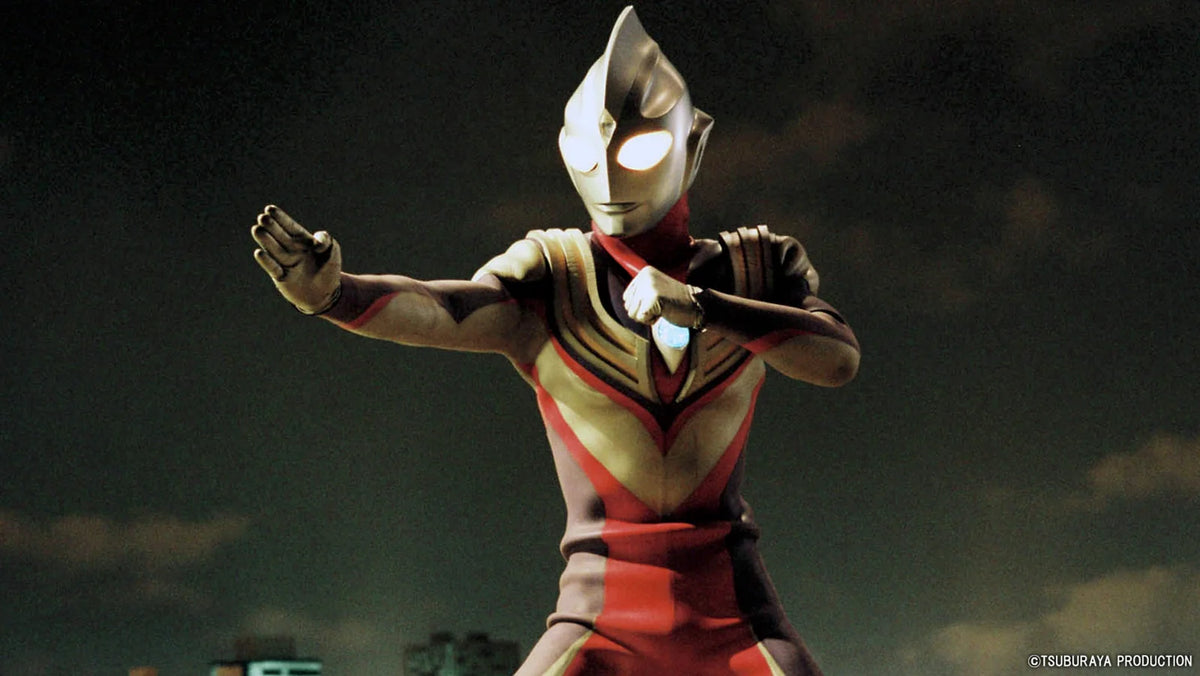
Thirty Years of Tiga
2026 marked the 30th anniversary of Ultraman Tiga's original broadcast, and Tsuburaya Productions treated it as a genuine event rather than a footnote. On July 10, 2026, the "Ultraman Tiga 30th Premium Stage" was held at Suginami Koukaidou as part of the wider Ultraman Day event marking the 60th anniversary of the Ultra Series as a whole. Hiroshi Nagano, who played Daigo Madoka, the human host of Ultraman Tiga, appeared at the event alongside other original cast members, giving fans a rare in-person reunion with the cast that defined the show.

Why Ultraman Tiga Was a Turning Point
When Ultraman Tiga premiered in 1996, it was the first new television Ultraman series in over a decade, and it changed the format in ways that still shape the franchise today. Tiga introduced G.U.T.S. (Global Unlimited Task Squad), the defense team protecting Earth, and gave its Ultra a multi-form gimmick — Multi Type, Power Type, and Sky Type — that let the character shift fighting styles mid-battle. That idea, a single hero with multiple combat forms, became a template that later Ultra and Kamen Rider series would return to again and again, and it's part of why Tiga is so frequently recommended as an entry point for new Ultraman fans.
Tiga also leaned harder into an ancient-civilization mythology than earlier Ultra shows, framing Tiga as a giant of light who had slept for millions of years before Daigo Madoka awakened him. That mix of ancient mystery and near-future defense-force action gave the show a tone distinct from the more straightforwardly heroic Showa-era Ultra series, and it's a big part of why the show still gets cited in "best Ultraman series" debates decades later.

The 30th Anniversary Merchandise Wave
The anniversary brought a real wave of new collector releases, not just nostalgia marketing. Bandai's S.H.Figuarts Shinkocchou Seihou line released a 30th Anniversary Edition of Ultraman Tiga Multi Type, packed with new effect parts to recreate the character's classic moves more accurately than earlier releases in the line — a meaningful upgrade for collectors who already own the original Shinkocchou Seihou Tiga release. Limited-run apparel and even a themed bar fair (Kaiju Sakaba's Ultraman Tiga Fair, running July 21 through September 13, 2026) rounded out the celebration, along with a 30th anniversary watch featuring three interchangeable straps to represent Tiga's three fighting types.
Why It Still Resonates With Collectors
Thirty years on, Tiga's appeal isn't just nostalgia. The show's mythology-first approach to an Ultraman story, its multi-form gimmick, and its willingness to treat its human cast as a genuine ensemble rather than a backdrop for the hero all still feel influential. For newer fans discovering the Ultra Series through recent entries, Tiga remains one of the most commonly recommended starting points — a show old enough to be foundational, but modern enough to not feel dated. For collectors specifically, the three-type gimmick means Tiga figures and merchandise naturally come in visually distinct variants, which is part of why the character has such a deep collector catalog compared to single-form Ultras.
Frequently Asked Questions
When did Ultraman Tiga first air? Ultraman Tiga premiered in 1996, making 2026 its 30th anniversary year.
Who played Daigo Madoka in Ultraman Tiga? Hiroshi Nagano played Daigo Madoka, the human who becomes Ultraman Tiga.
What are Ultraman Tiga's three fighting types? Tiga has three primary forms: Multi Type (balanced), Power Type (strength-focused), and Sky Type (speed-focused).
Is Ultraman Tiga a good starting point for new fans? Yes — it's one of the most frequently recommended entry points into the Ultra Series, thanks to its self-contained mythology and less continuity-dependent story compared to later interconnected seasons.